
Returning to the Czech Republic — A Decade Later
January 2026: I first visited the Czech Republic — specifically Prague — ten years ago, in 2015. Back then, despite the crowds of tourists, I was immediately spellbound. There’s something about Prague that gets under your skin. The Gothic spires, the moody skies, the medieval streets that feel like they’re whispering stories if you slow down long enough to listen.
Even then, I knew I would need to return someday to experience Prague with Paula. On this trip, I would also be experiencing Prague with Paula’s mom and our daughter Indie.
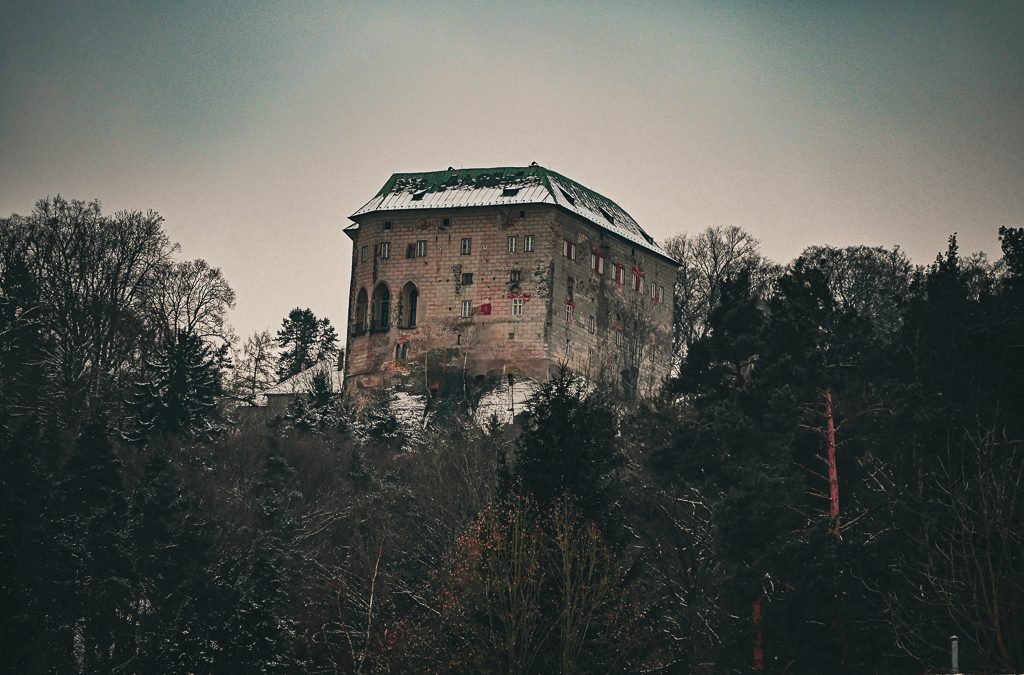
But Prague wasn’t the only reason why I wanted to return to the Czech Republic. There was also a castle with a very dark history, I wanted to visit.
The Legend of Houska Castle
For years, one place lingered in my mind: Houska Castle.
According to legend, this medieval fortress was built over a portal to hell—a chasm from which strange, winged creatures once emerged. The castle, it’s said, wasn’t built to keep enemies out, but to keep something in.
It has no strategic location, no water source, and no clear defensive purpose. It sits alone in the forest, sealing something beneath it.
Even the Nazis occupied it during World War II, reportedly conducting occult experiments. Whether true or not, the story only deepens the atmosphere.
This was exactly the kind of place I travel to find—and the perfect reason to return to Czechia and explore beyond Prague.
A Winter Journey Into the Countryside
Part of a Three-Week Family Odyssey
Our visit to the Czech Republic became part of an almost three-week journey that included Turkey, Saudi Arabia, Egypt, and Slovakia. In between desert landscapes and ancient ruins, we carved out almost four days for the Czech Republic to see Prague, drive to Houska Castle, and see some of the countryside.
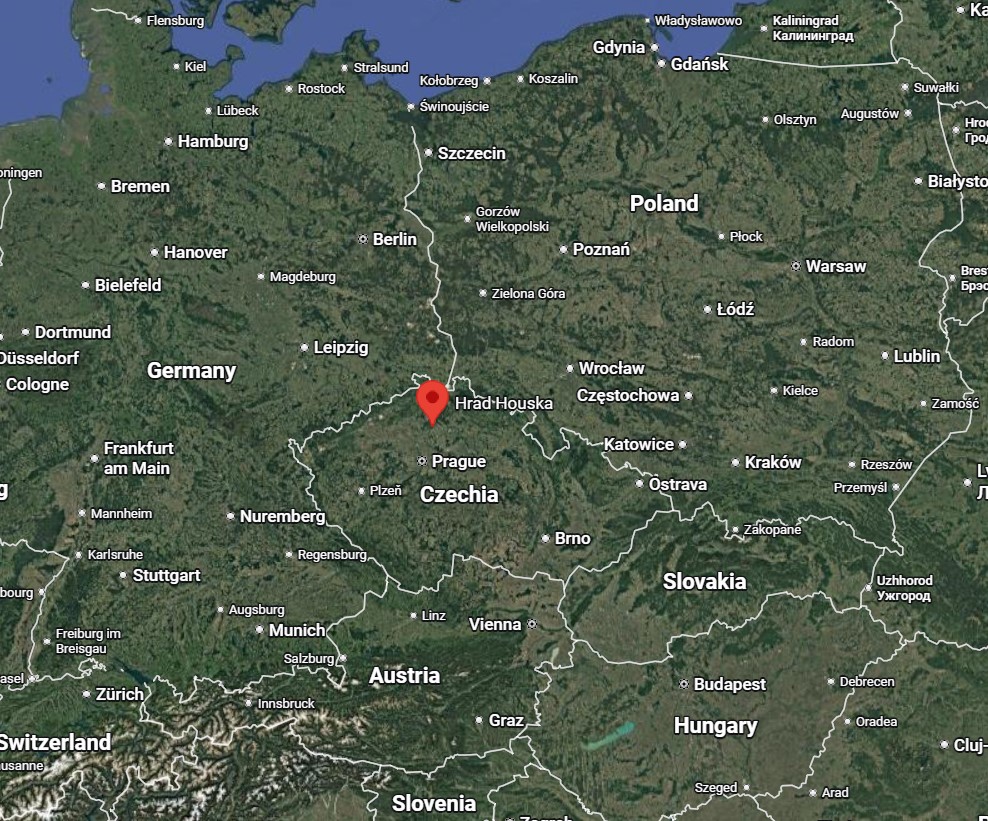
Houska Castle location
Rough Start in San Francisco
We began the journey the way many modern adventures start — on a long-haul flight.
We flew United Airlines from San Francisco to Frankfurt, and surprisingly, it turned out to be one of my best transatlantic flights yet.
It didn’t begin that way.
As we were settling in for takeoff, Indie made it very clear she did not want to put her seatbelt on. She screamed, and the protest was loud. Passionate. Public.
Passengers around us turned with visible irritation. One woman behind us muttered loudly to her friend, “I wish I had brought my headset,” making sure we could hear her.
Not exactly the send-off you want before nine-plus hours in the air.
But here’s where things shifted.
I had managed complimentary Economy Plus upgrades, and we were seated in the spacious bulkhead row. The extra legroom made all the difference. Indie could stretch out comfortably, and once we were airborne, everything improved.
Indie stretched out on the spacious floor of our bulkhead seat and slept on her toddler travel bed, blanket and pillows for most of the flight.
What started with side-eyes and muttered complaints ended up being one of the smoothest long-hauls I’ve had. By the time we descended into Frankfurt, the earlier drama felt distant.
The adventure was officially underway.
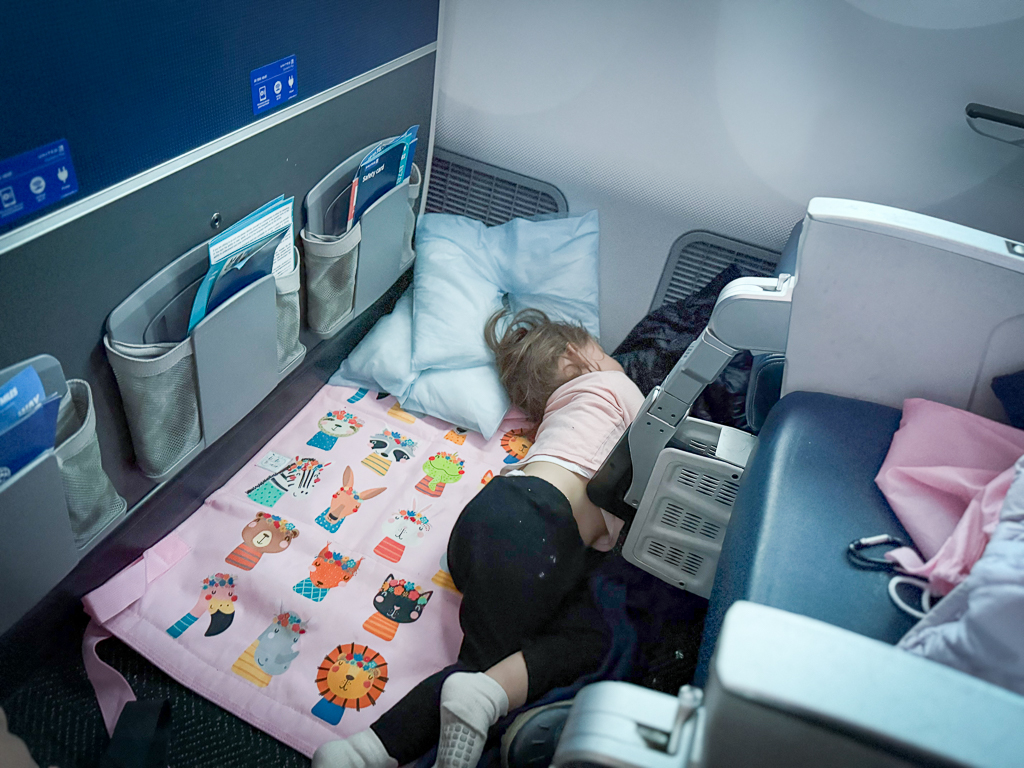
Indie sleeping on the plane
Winter in Prague
We arrived in Prague to cold, gray skies. Indie, who isn’t used to traveling anywhere cold other than Minnesota—where my family lives—assumed we must be there and asked if we were going to Uncle Mason’s house, where we usually stay.
We spent two nights in Prague, with our first night in the heart of the Old Town, staying in a hotel building that dated back hundreds of years.
The room itself wasn’t particularly memorable—simple and functional—but the location was incredible. Just outside our door rose the towering 14th-century Gothic Church of Our Lady before Týn, its dark spires dominating the skyline.
It was January, and the cold was sharp. We layered up, scarves wrapped tight, breath visible in the air. If anything, winter made Prague feel even more atmospheric. The chill seemed to deepen the city’s age—the stone felt older, the streets more dramatic. There’s a certain magic to Prague in winter, the kind that makes history feel closer.
Unfortunately, winter doesn’t keep people away.
The Clock Tower and the Crowds
We climbed the famous Astronomical Clock Tower for sweeping views over the red rooftops and winding streets. The panorama was spectacular — undeniably worth seeing — though the climb itself is surprisingly expensive.
At the turn of the hour, we joined the throngs of tourists below to watch the Astronomical Clock ceremony. The crowd gathered, phones raised, anticipation high. Then the clock did its little show, and everyone seemed to snicker.
The spectacle itself? Underwhelming.
But the tower — and the view from above — are what truly matter.
Dining in the Old Town
Eating in the Old Town proved to be less enchanting.
Many restaurants were overtly touristic and overpriced, with impersonal staff and a general sense that they didn’t particularly care whether you came or went. At one restaurant, we were turned away because Paula’s mom was holding a sausage she had purchased elsewhere. She wasn’t actively eating it — just holding it — but we were told firmly that we could not enter, even if it was in a container.
I later learned that bringing outside food is considered extremely rude, even if you intend to order more inside. At the time, though, it felt unnecessarily cold — especially since we were clearly planning to dine.
It was a reminder that high-tourism zones often lose some of their warmth.
The Other Side of Prague
The downside of staying in the Old Town wasn’t just the expensive restaurants.
It was the noise.
Through the night echoed stag-party chants, drunken shouting, and the kind of late-night chaos that carries on long after most people are trying to sleep. Prague is known not only for its architecture and history, but also for its relatively lower prices compared to Western Europe, its beer culture, and its nightlife.
That combination draws a heavy party scene—sometimes fun, often excessive.
Groups of British stag party lads roamed the streets at all hours, shouting soccer chants with alcohol fueled noise. I remembered this from my last visit, and despite new regulations meant to curb bar-hopping tours and reduce late-night disturbances, it didn’t seem like much had changed.
A Different Kind of Prague
On our second night, we moved just outside the Old Town and rented an apartment in a historic building.
After a long evening of finding the place, checking in, and hauling our luggage across the cobblestone streets of Old Town Square, we were exhausted and hungry.
But this side of Prague turned out to be completely different.
A small restaurant that was about to close stayed open just for us. The server—a young, friendly Eastern European girl—went out of her way to make the experience special. She played with Indie while we ate, kept her entertained, and even brought her back to see the kitchen.
By the time we left, Indie gave her a big hug goodbye.
It was a small moment, but one that stood out—genuine, warm, and completely different from the more impersonal experiences in the Old Town.
Back at the apartment, the contrast continued.
The entrance hall was vast, dark, and atmospheric—the kind of place where footsteps echo and chandeliers cast long shadows across worn stone floors. Inside, the apartment was filled with oversized chandeliers and shelves of antique books.
Most importantly, it was quiet.
Here, Prague felt intimate again. Less spectacle. More substance.
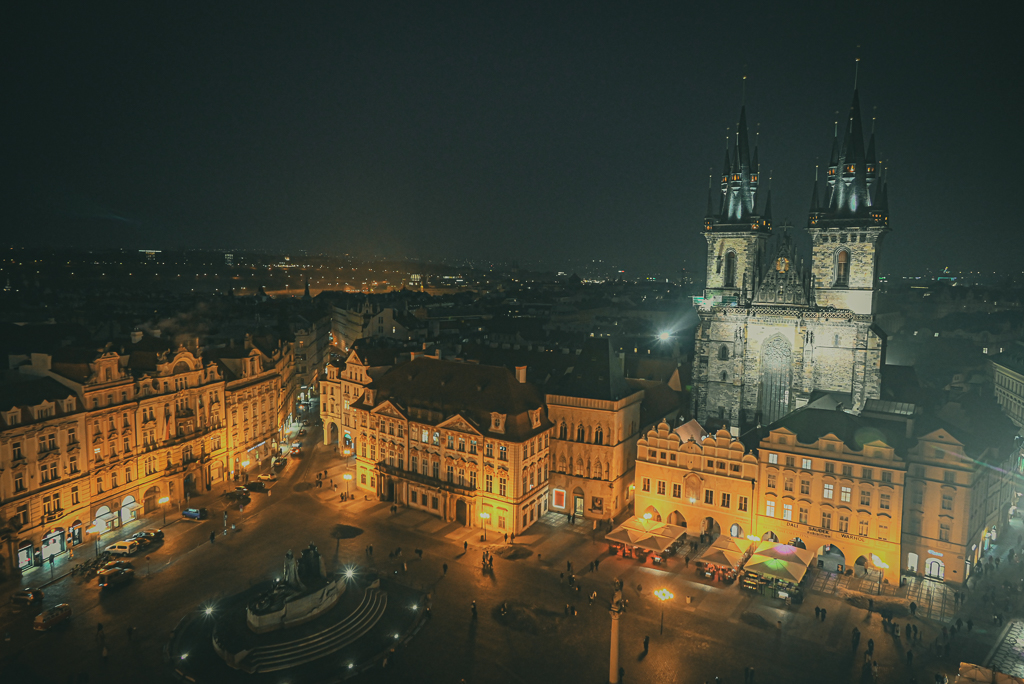
View of Prague from the top of the Astronomical Clock Tower
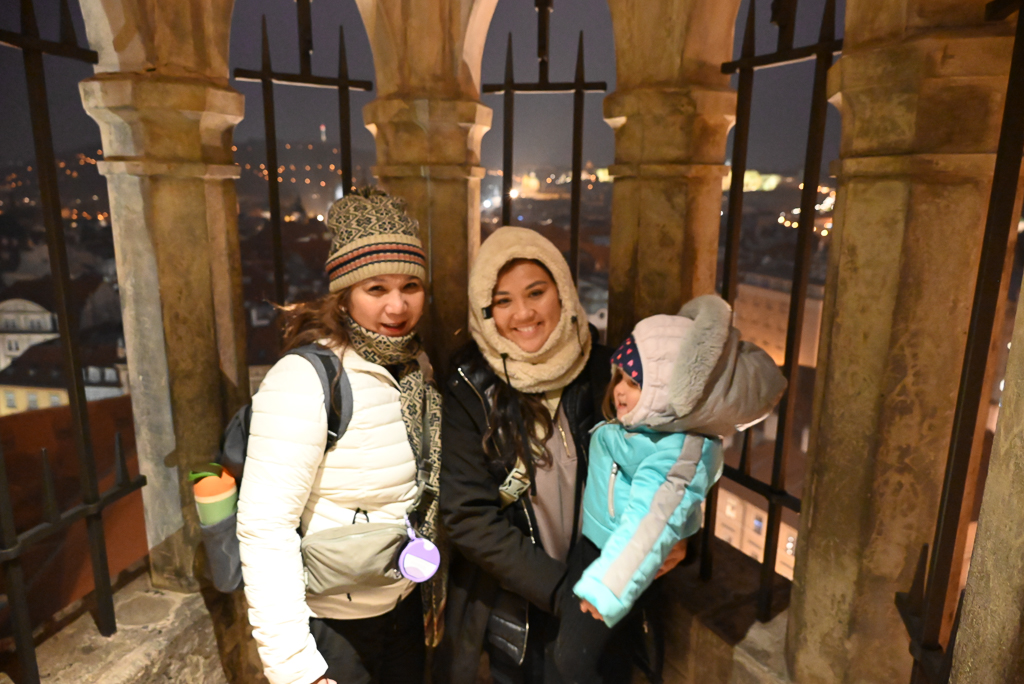
Posing from the top of the tower
Charles Bridge
Prague is crowded by day — but at night, and especially in the early morning, it becomes something else entirely.
When the tourists disappear and the stag parties finally fall silent, you can walk the streets alone. Just you and the weight of centuries.
Jet lag is my secret weapon for this. While everyone sleeps, I wander.
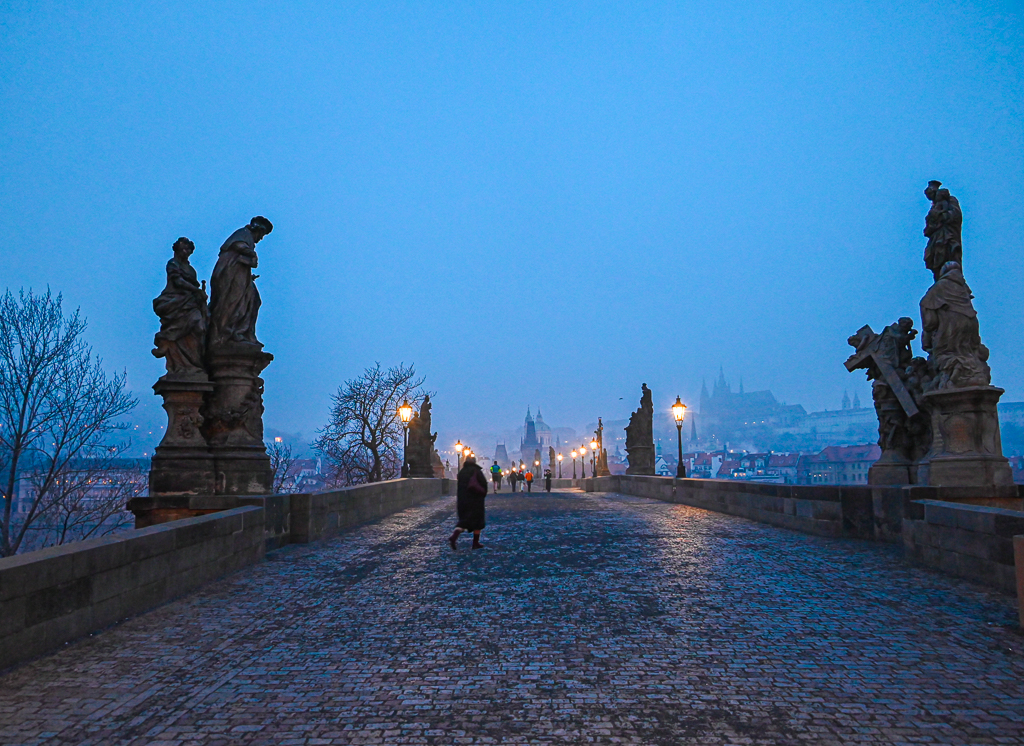
In Prague, that meant returning before sunrise to Charles Bridge — one of my favorite places in Europe.
The medieval stone bridge stretches across the Vltava River, reserved only for foot traffic. No vehicles. No engines. Just footsteps echoing across centuries-old stone. Gothic statues line both sides, watching silently. Across the water, Prague Castle, the largest castle in the world, rises above the city like something out of another era.
The bridge feels ancient. Worn smooth. Heavy with history.
In the early 17th century, during the religious wars between Protestant rebels and the Catholic Habsburg crown — part of the wider Thirty Years’ War — 27 Protestant leaders were executed after their defeat. Their severed heads were displayed on the Old Town Bridge Tower at the edge of the bridge as a warning.
One morning I stood there alone as the sky slowly lightened. A few other early risers, but mostly just me and the silence of the statues, the city, and the river.
It’s one of those rare places in the world that gives me goosebumps
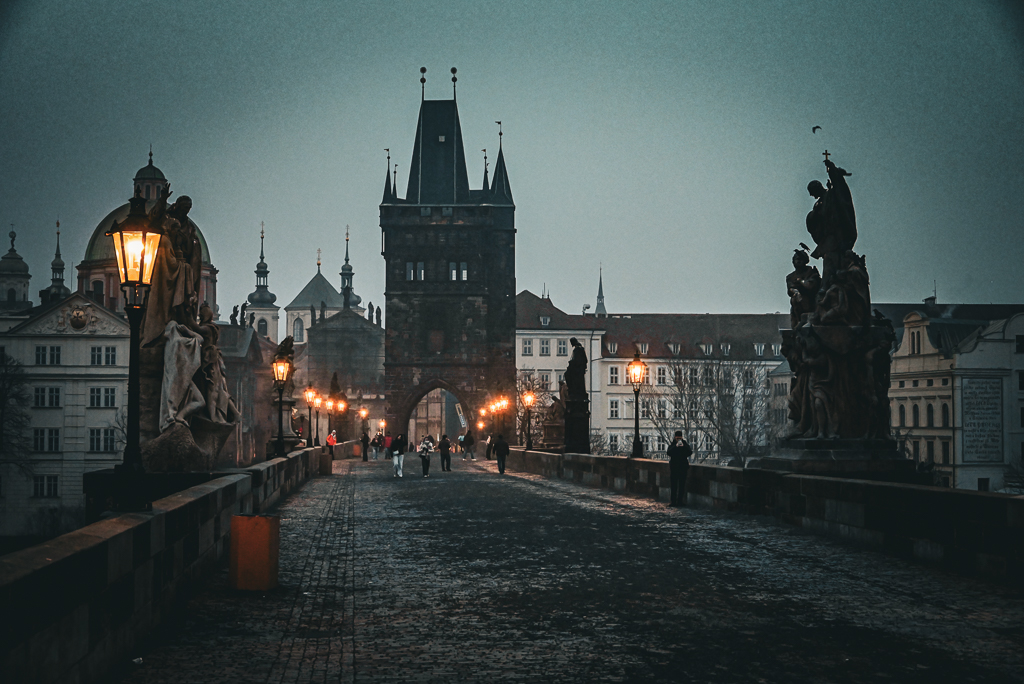
Charles Bridge early morning
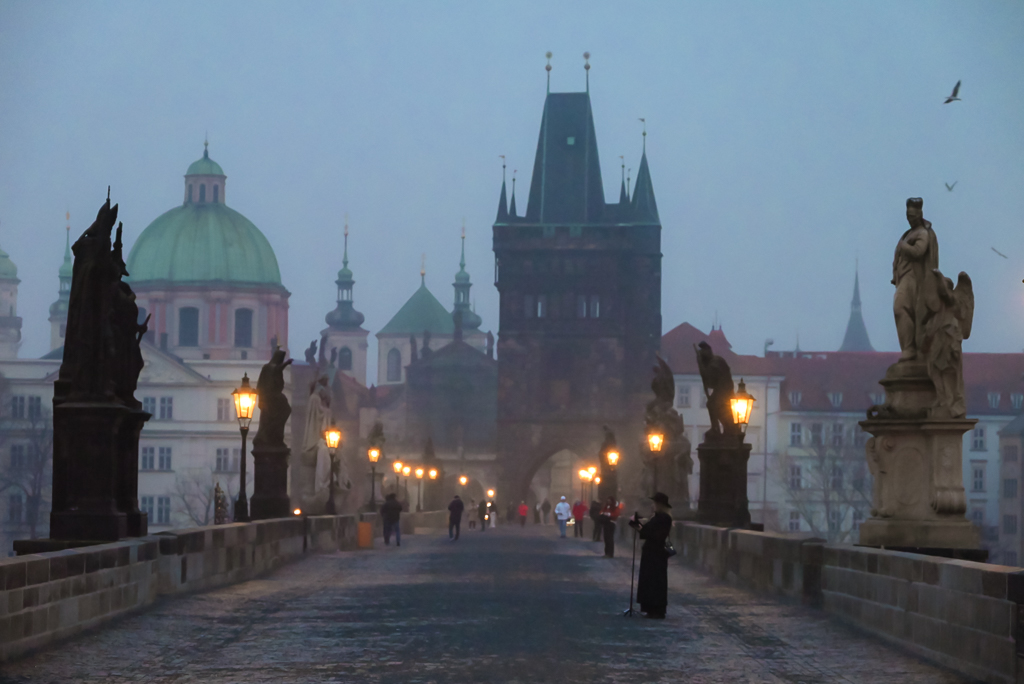
Charles Bridge
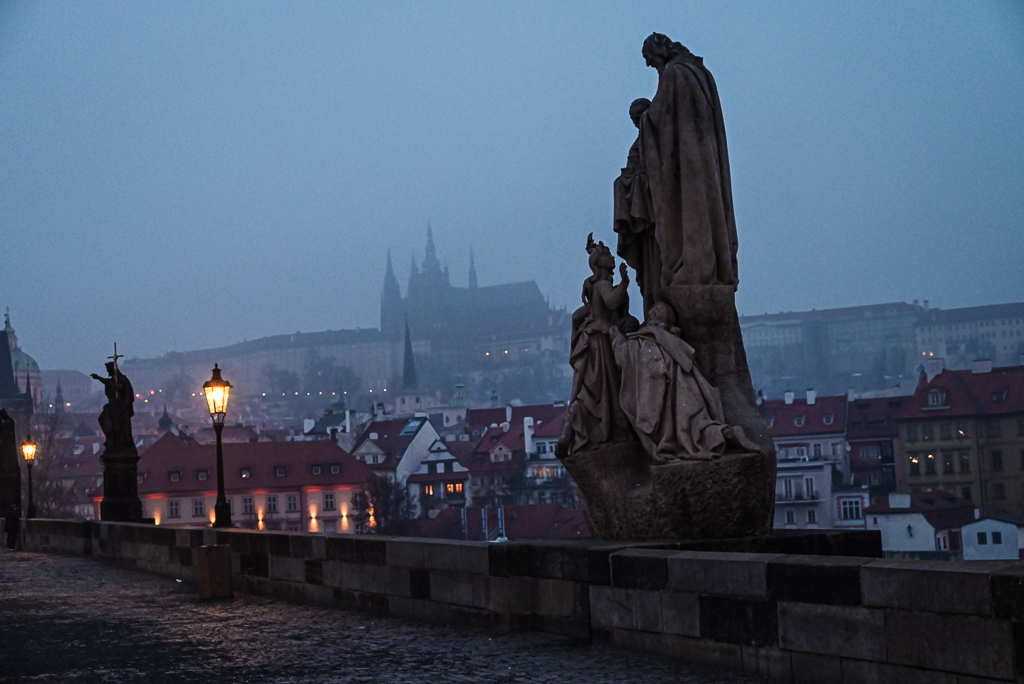
Charles Bridge
Charles Bridge
The Old Jewish Cemetery
One place I especially wanted to visit in Prague was the Old Jewish Cemetery.
Paula and I have always been drawn to cemeteries—not in a morbid way, but because they hold layers of memory. They are places where history rests, where the people who helped make and endured the suffering of the history around us are laid to rest. This one is among the most unique and atmospheric I’ve ever seen.
Prague had a significant Jewish population for centuries, a community that endured repeated waves of restriction, segregation, and persecution. During the Nazi occupation in World War II, many were rounded up, deported to concentration camps, and murdered.
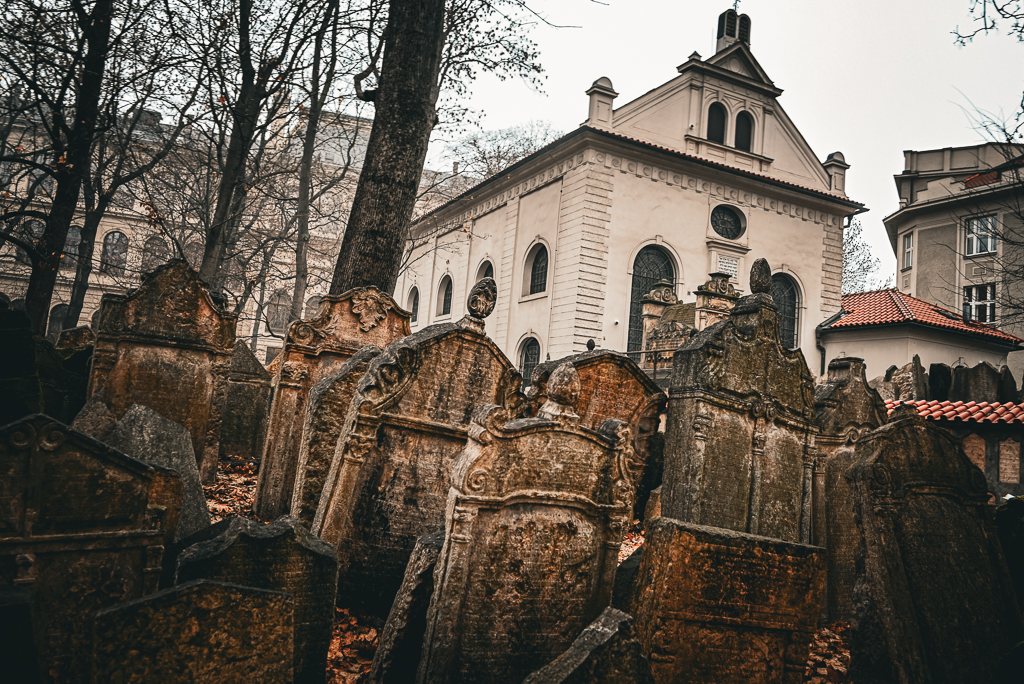
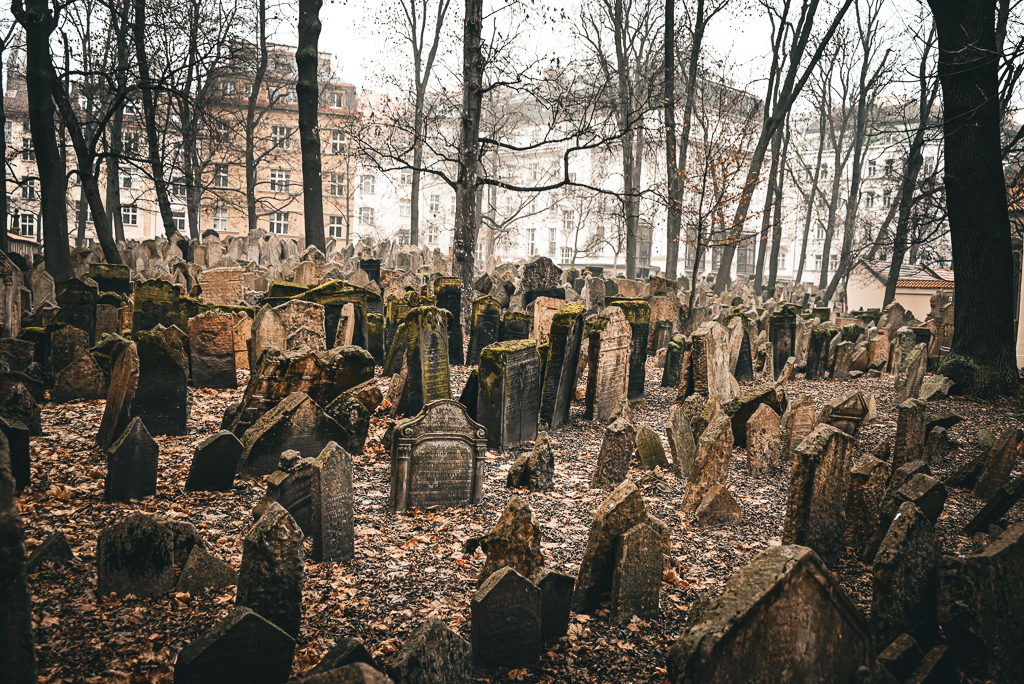
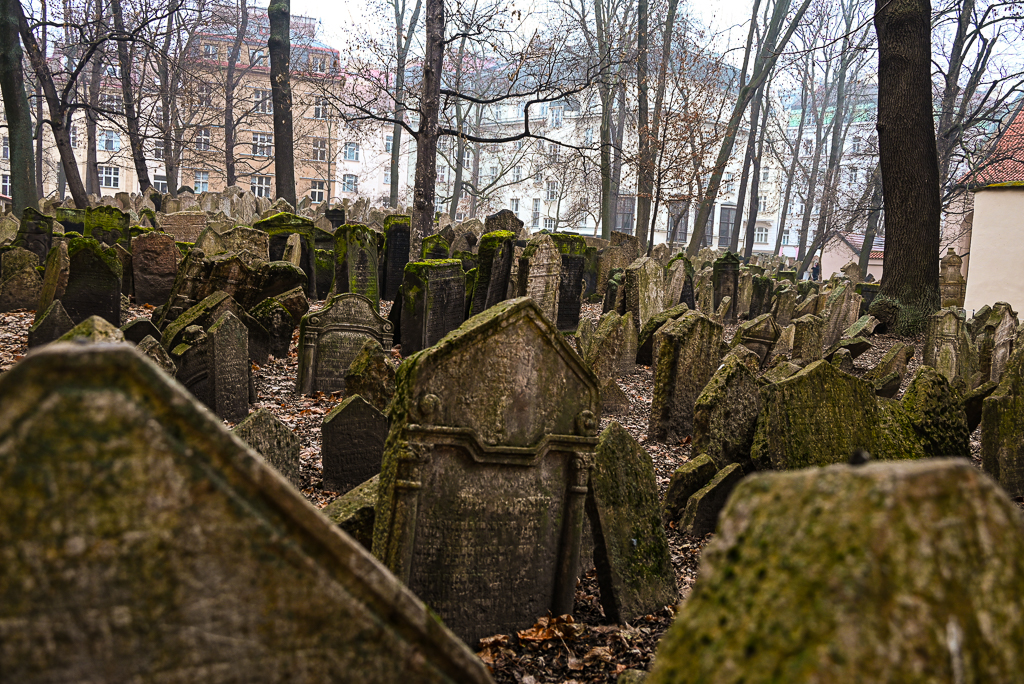
The cemetery itself dates back to the 15th century. With limited space in the Jewish Quarter, graves were stacked on top of one another over generations rather than expanding outward. The result is striking—stone slabs leaning at impossible angles, tightly packed together, rising unevenly from the earth.
It feels chaotic. Almost unsettled.
With Indie, we wandered slowly through the narrow paths between the stones. I kept a quiet, reflective demeanor, trying to absorb the weight of the place.
Indie did not.
She laughed, giggled, and ran along the paths, chasing a black cat that seemed perfectly at home among the graves.
Old Jewish cemetery
Old Jewish cemetery
Old Jewish cemetery
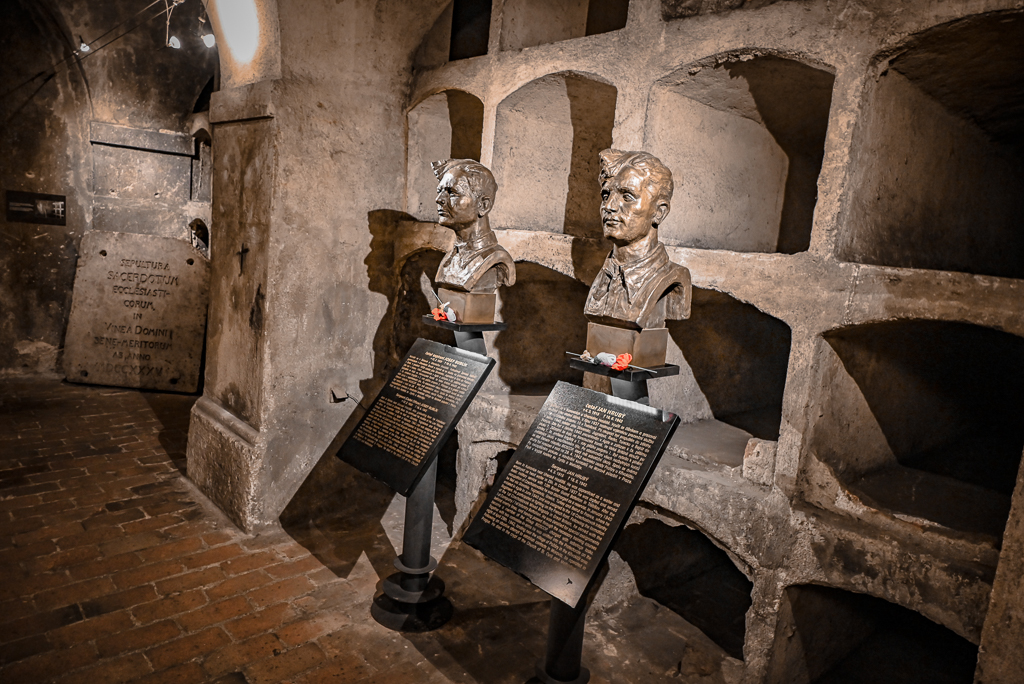
Crypt of Operation Anthropoid where brave paratroopers spent their last moments
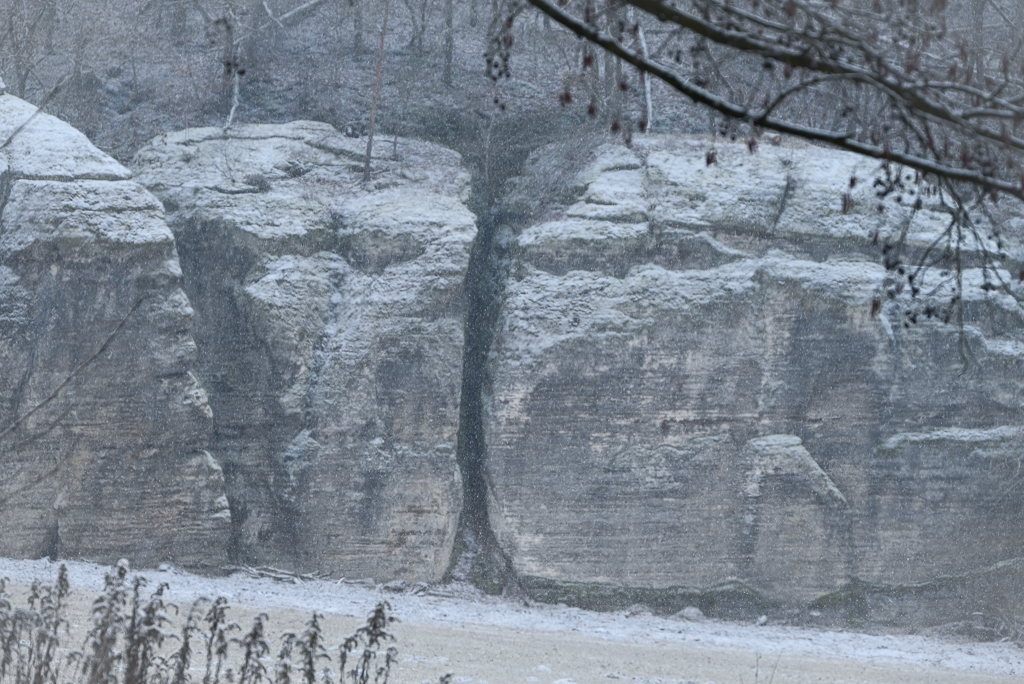
Frozen limestone cliffs near Houska Castle
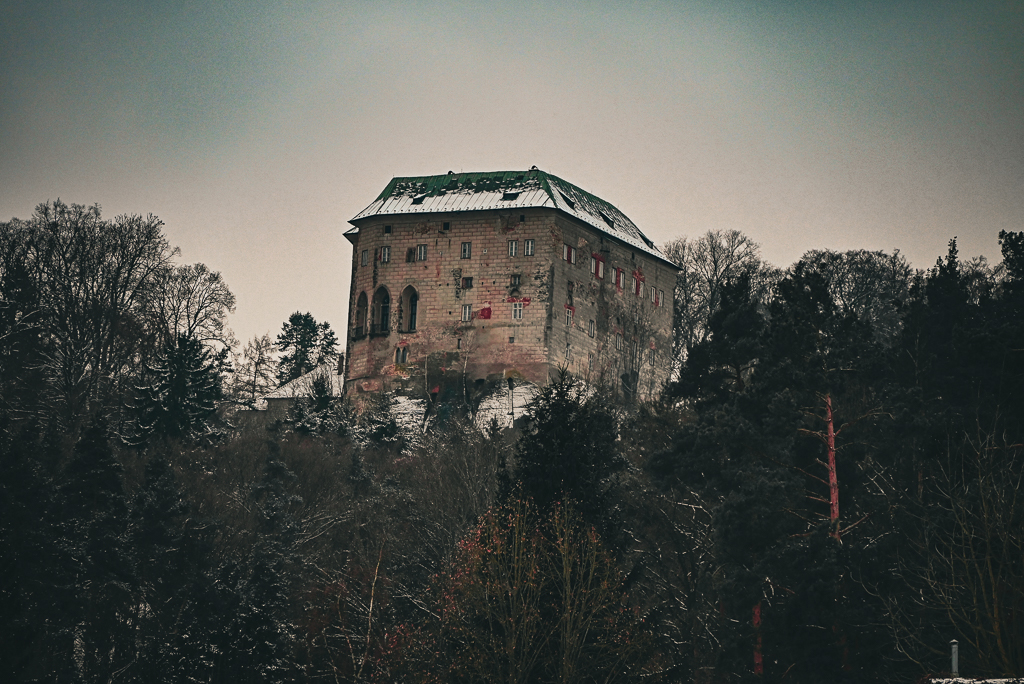
Houska Castle
The Road to Houska
Reaching Houska Castle felt like entering another layer of Europe.
We drove through the Czech countryside — passing small villages, remnants of Eastern European communist-era buildings, abandoned factories, and quiet rural farms. The landscape slowly shifted as we moved north. The roads narrowed. The forests thickened.
Eventually, we entered a region of snow-covered karst hills — limestone terrain carved with caves and sinkholes, dotted with frozen lakes and icy creeks. Farmhouses and small villages appeared intermittently, many seemingly empty in winter. I imagined some were summer homes for Prague residents, shuttered and waiting for warmth to return.
The deeper we drove, the quieter it became.
And then, finally, the castle came into view.
Perched on a cliff overlooking the valley, dark against the white hills, it looked exactly as I had imagined — solitary, imposing, and slightly unreal.
There was just one problem.
Our small rental car didn’t have the power — or the traction — to make it up the steep, icy road leading to the castle. The tires spun helplessly against the frozen incline.
So we adjusted.
Paula and I loaded Indie into a backpack carrier while Paula’s mom stayed behind to guard the car — she wasn’t particularly enthusiastic about visiting a castle rumored to sit over a portal to hell anyway.
And we began the hike.
We walked several miles up the icy road, passing old stone cottages and homes partially built into caves and cellar-like chambers carved into the limestone hills. Some looked abandoned. Others showed faint signs of life — wood stacked neatly, doors reinforced against winter.
The cold bit at our faces. Snow muffled our footsteps. The forest felt still.
Above us, through the trees, Houska loomed.
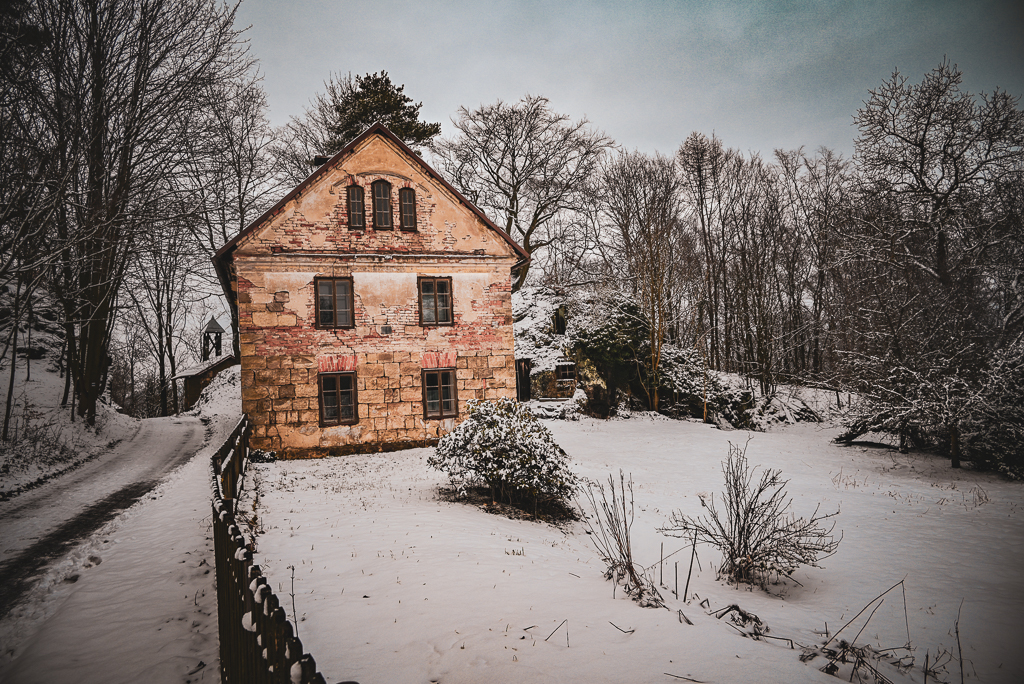
Stone cottage next to a house built into rocks near the castle
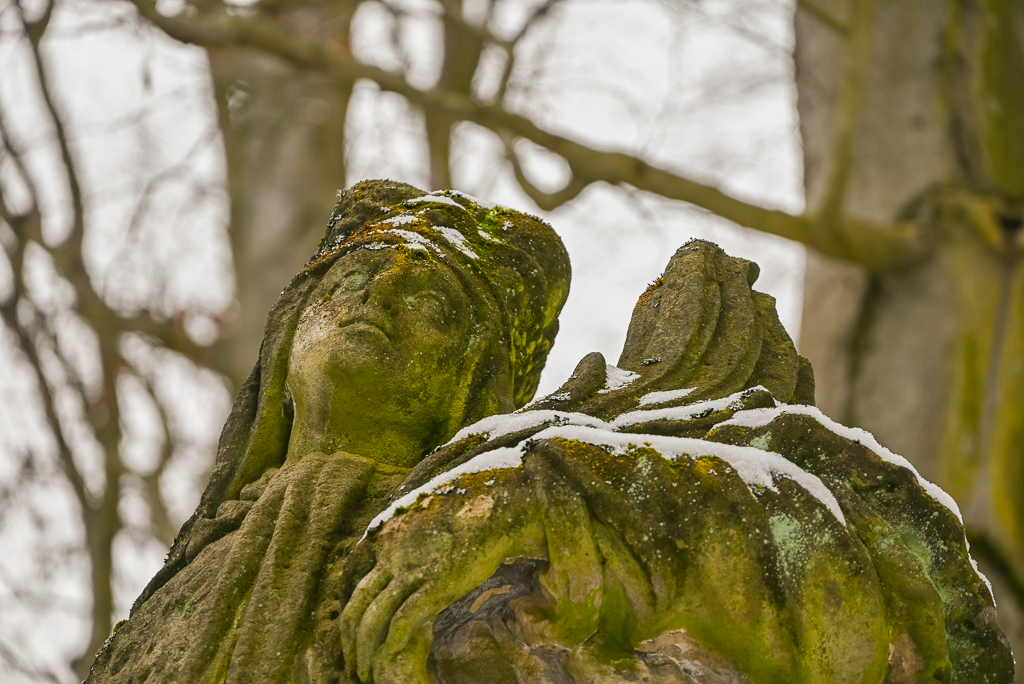
Statues of angels guarding the forest outside of Houska Castle
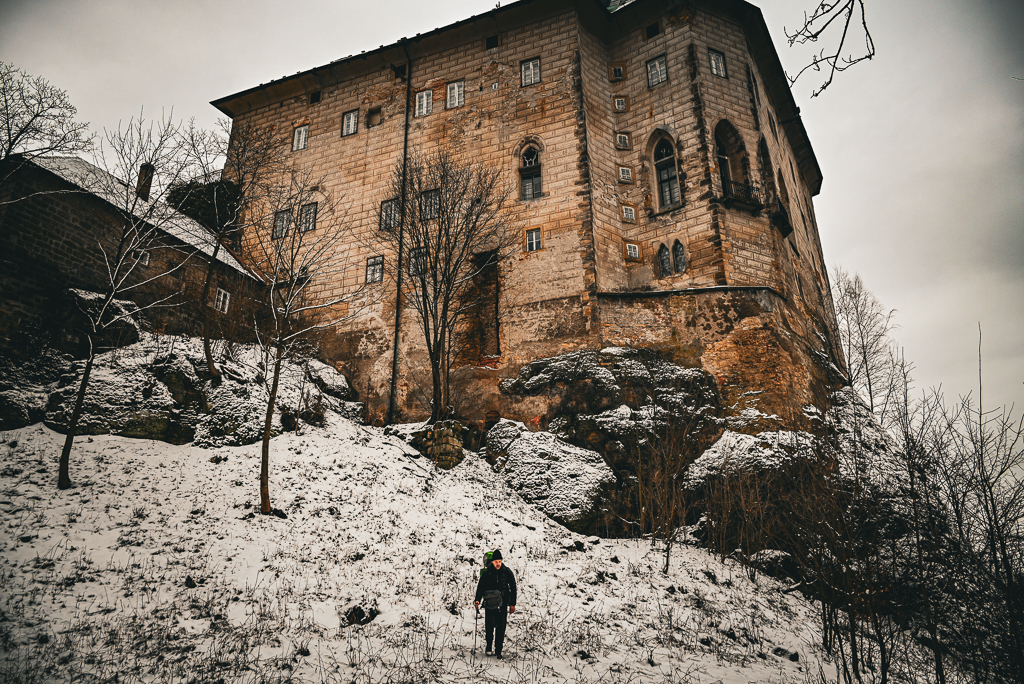
Indie in my backpack and I, climbing up to Houska Castle
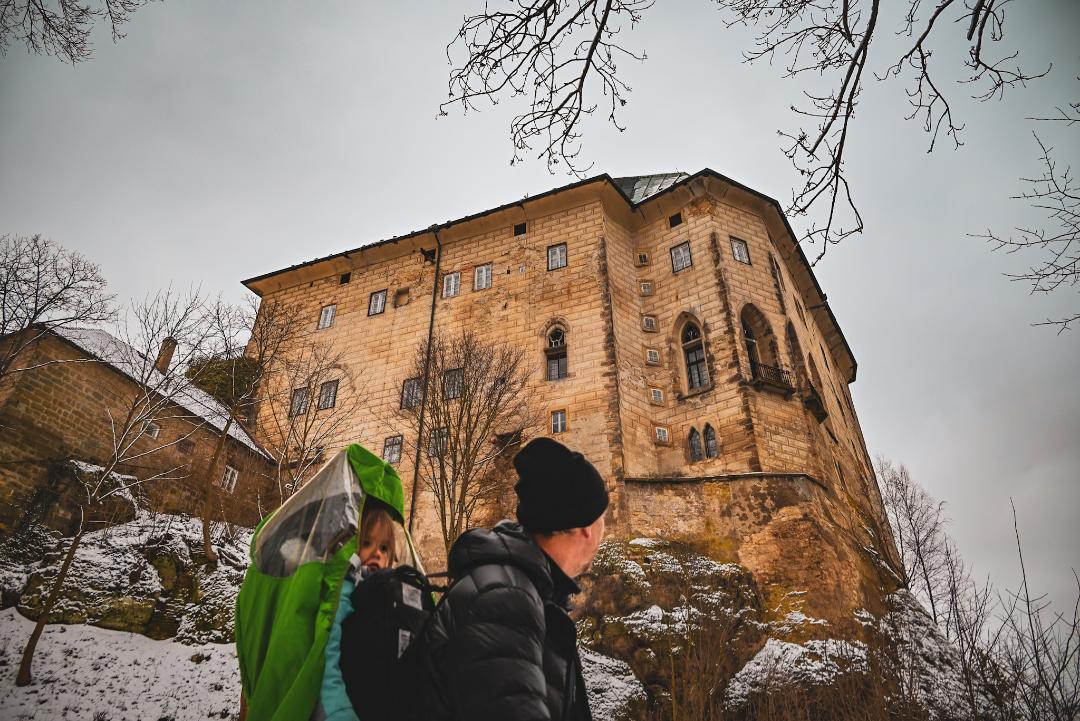
Indie and I exploring evil castles
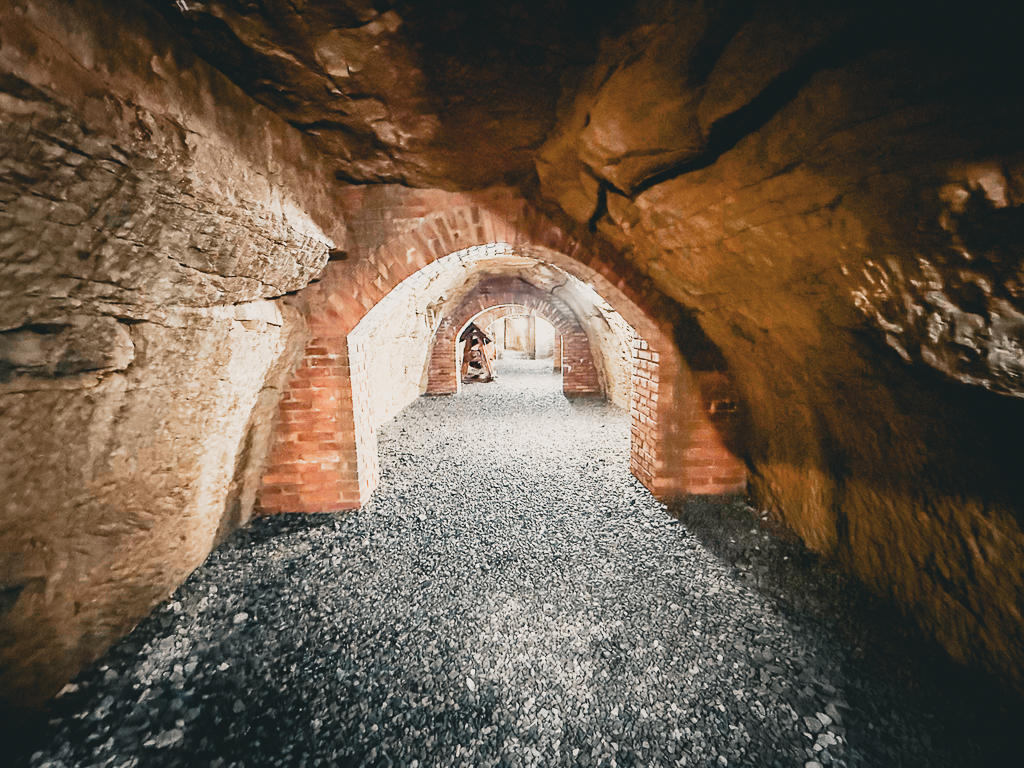
Melnik Underground Tunnels
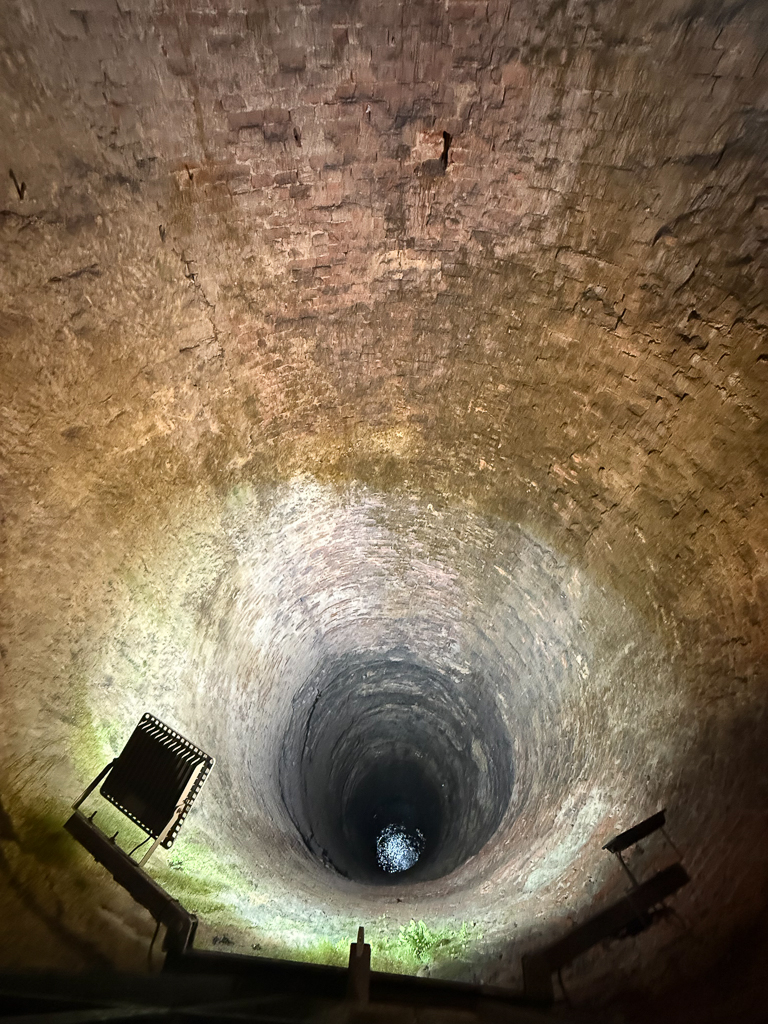
Melnik Largest Well in Europe
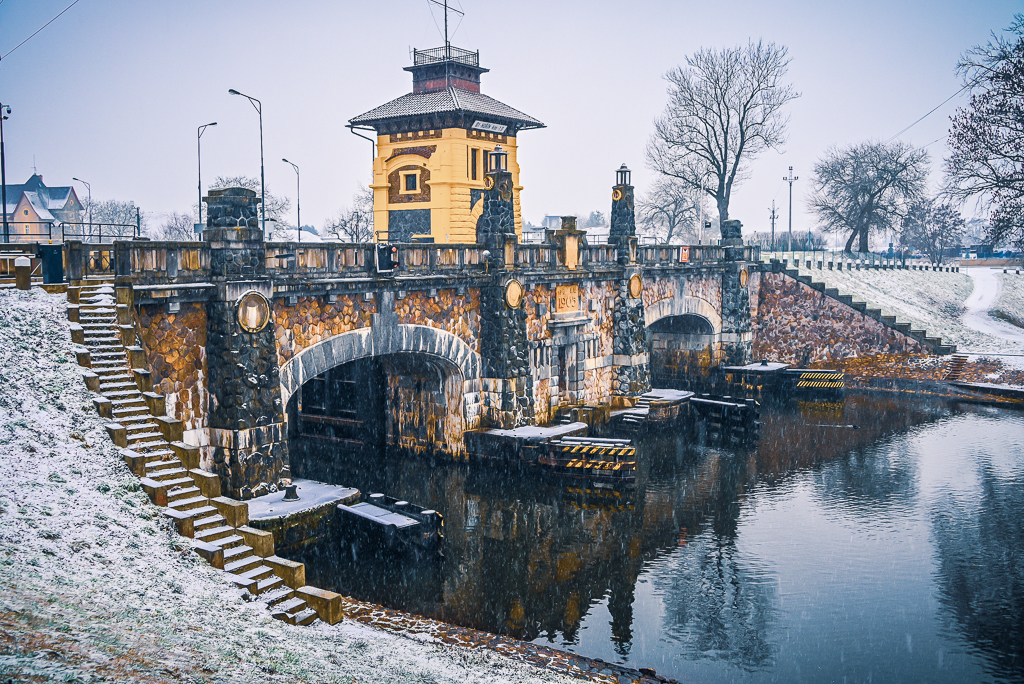
Old Bridge in Melnik
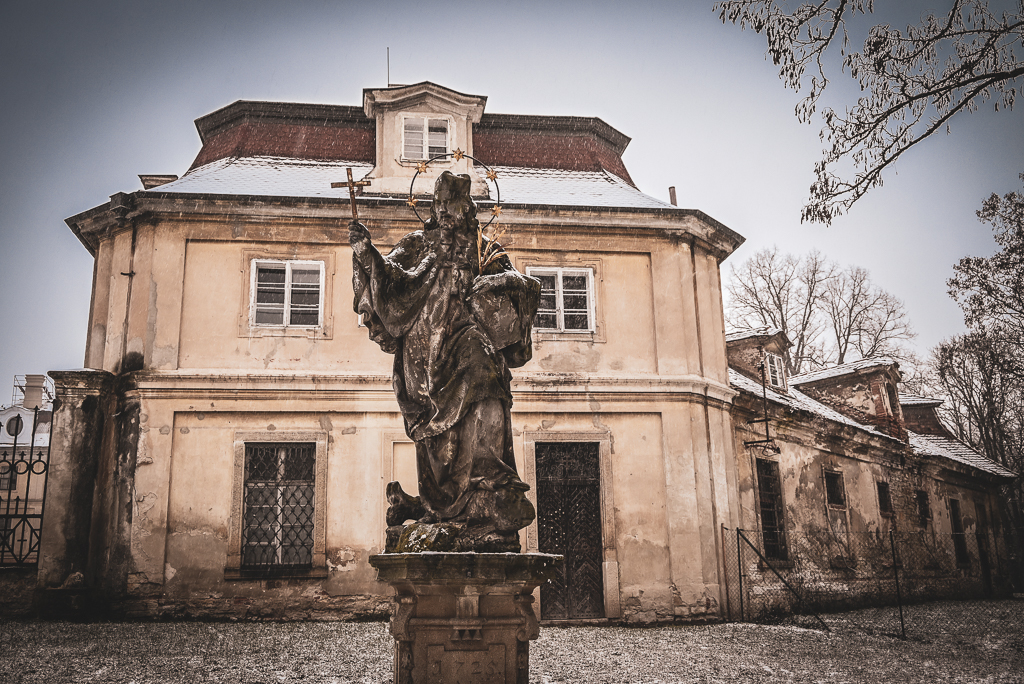
Old Royal Buildings from 1700s
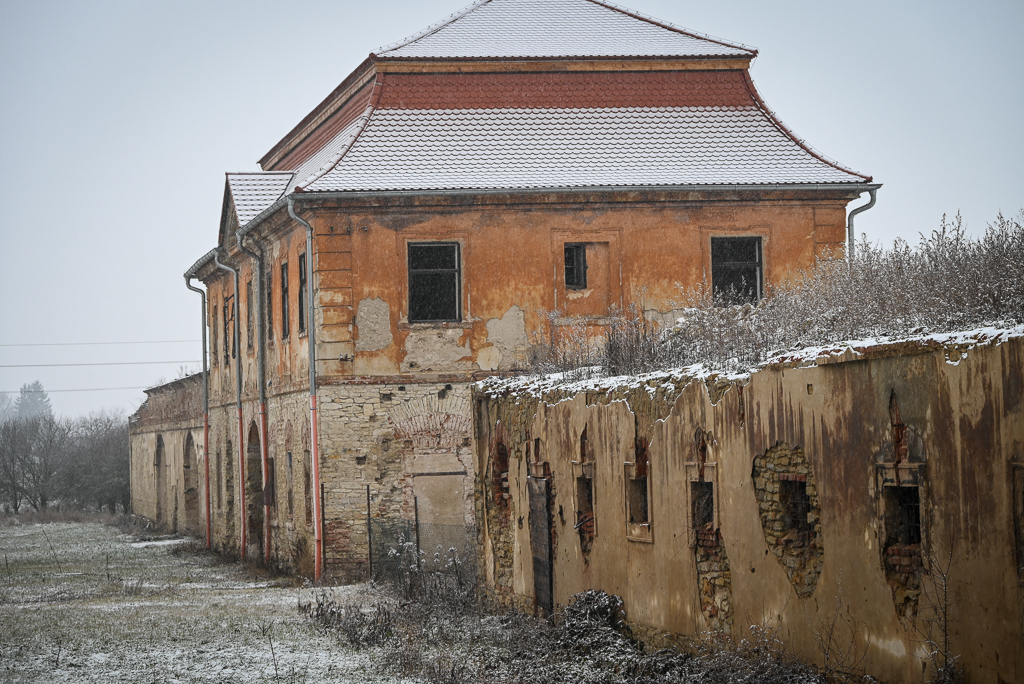
Abandoned old forts
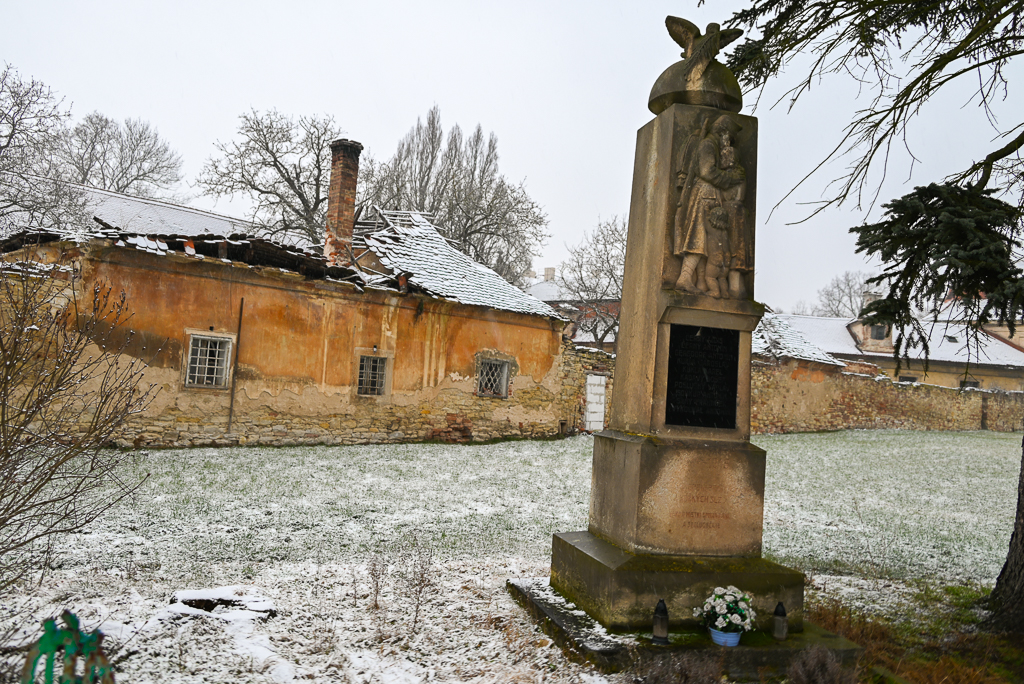
Statues
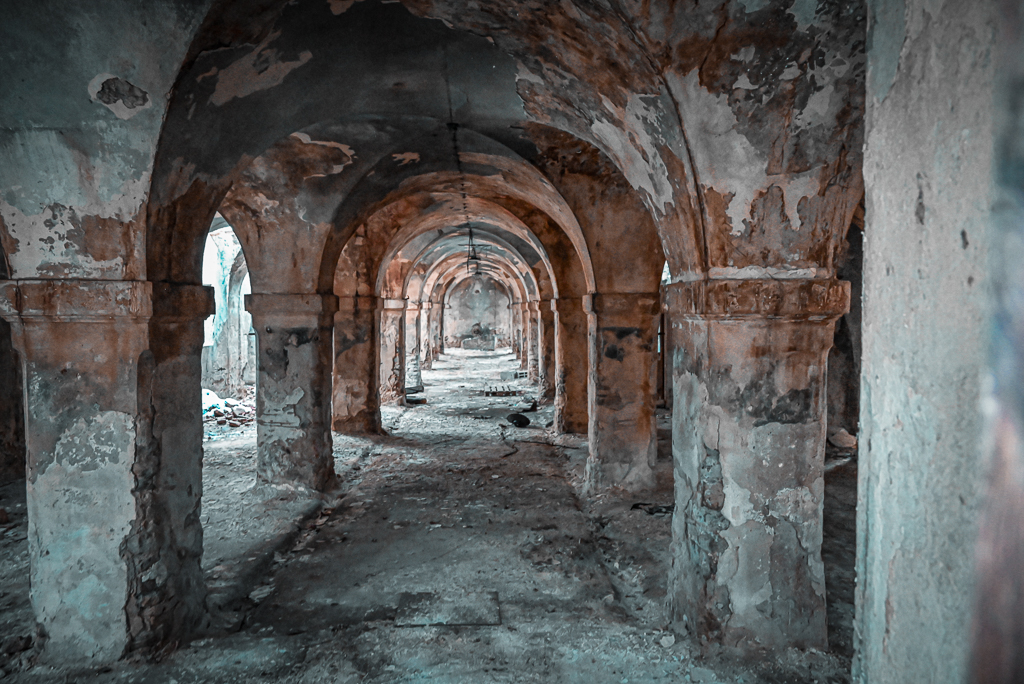
Abandoned buildings we explored
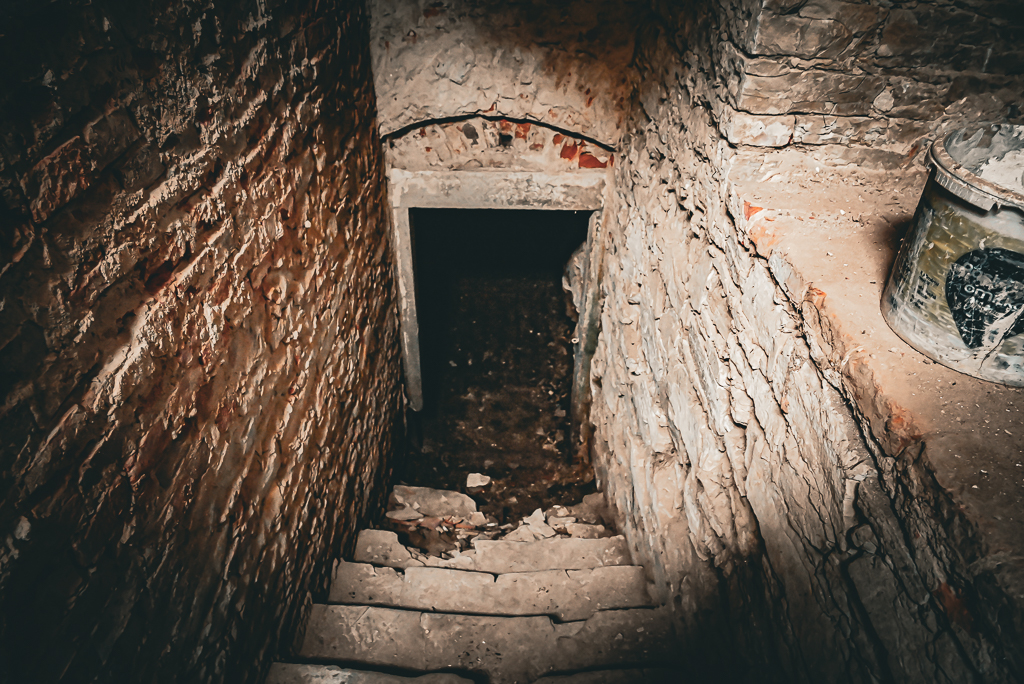
Stairs leading into a dark basement
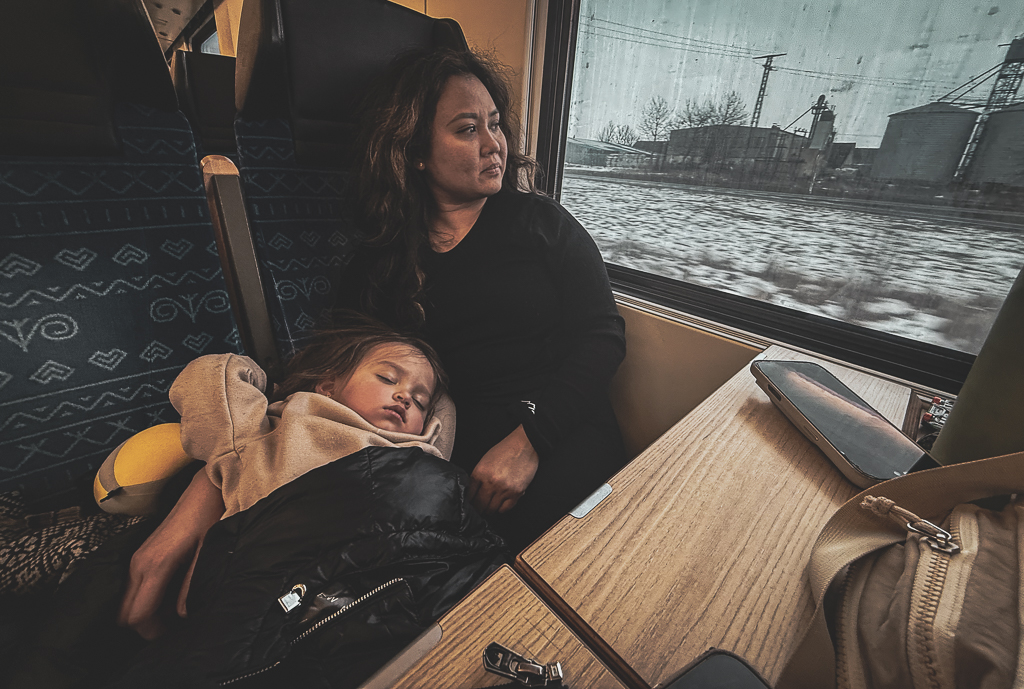
Paula and Indie on the train
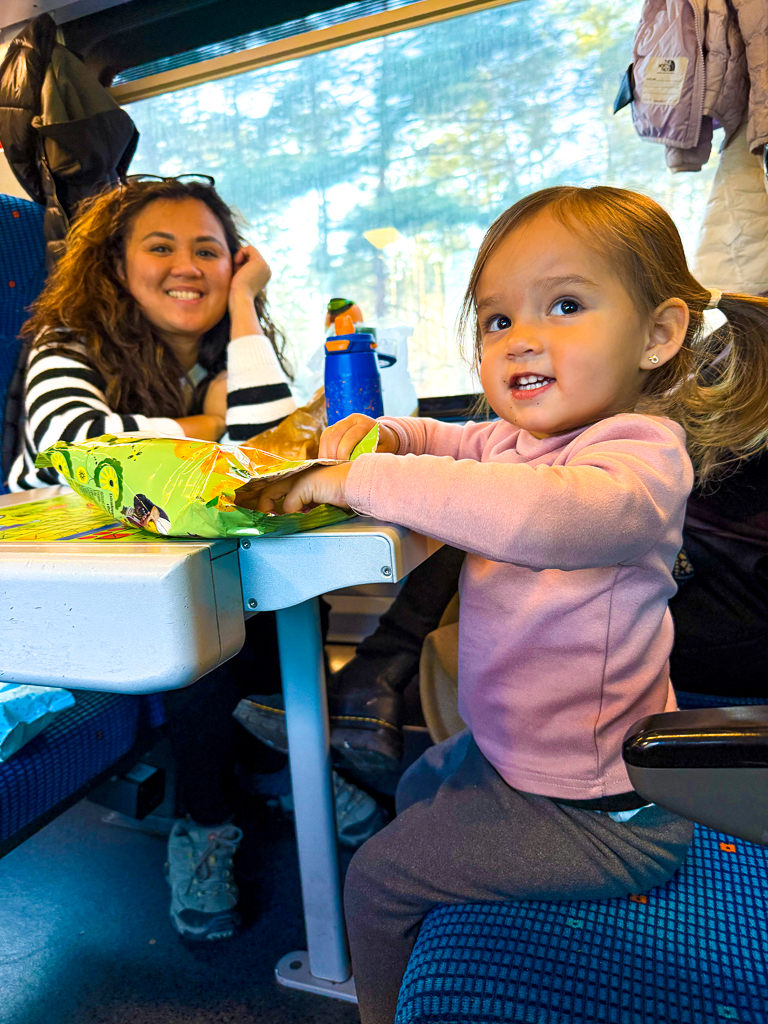
Happy times on the train